
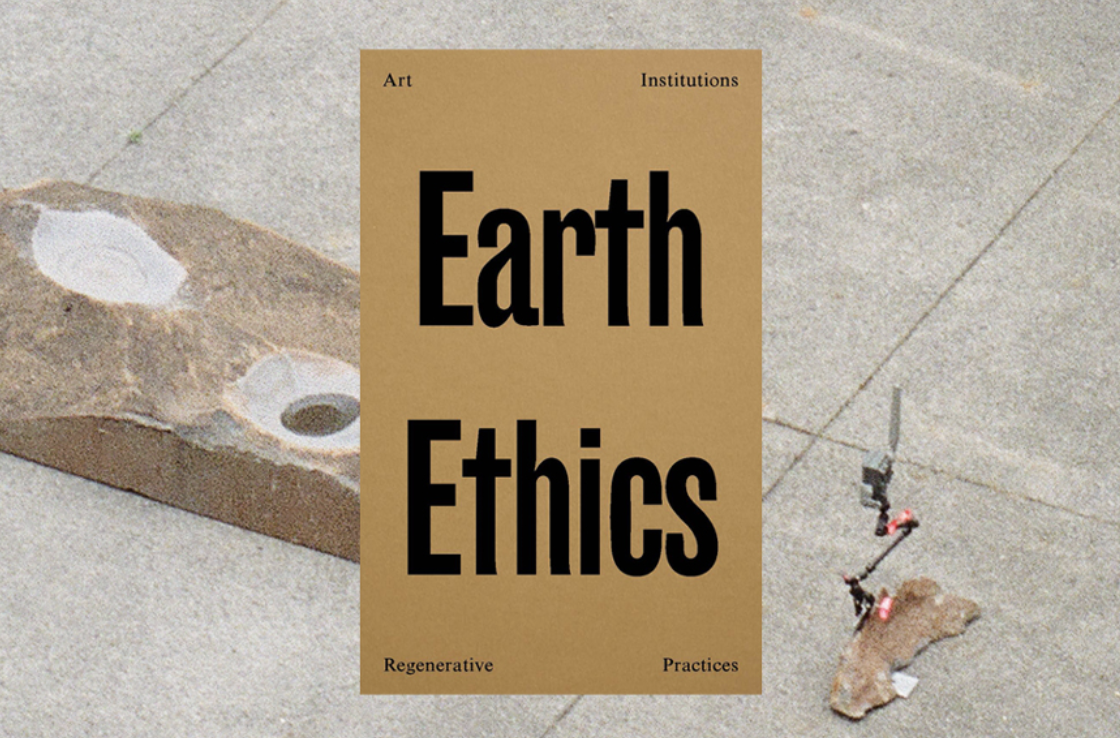
Earth Ethics: Art, Institutions and Regenerative Practices
05 December 2025
a new anthology reader from Monash University Museum of Art
Monash University Publishing
For the Sydney launch at UTS Gallery, 5 December 2025, I will be in conversation with Brian Martin speaking about our contributions to this anthology.
Earth Ethics: Art, Institutions and Regenerative Practices is the second in a series of readers published by Monash University Museum of Art | MUMA, edited by Madeleine Collie, Megan Cope, Charlotte Day and Melissa Ratliff. It features essays, interviews, case studies and exercises from a wide range of artists, initiatives and institutions who are rethinking the relationships that museums/galleries, artists, audiences and communities have with their locations.
In recent years, artists, curators and institutions have increasingly reckoned with their responsibilities to the places they inhabit, in light of human-driven environmental change and its effects on climate and biodiversity. At the same time, Indigenous peoples and land-based communities are sustaining ancestral ways of being, and revitalising creative and cultural practices that nurture reciprocal relationships with more-than-human worlds.
Earth Ethics: Art, Institutions and Regenerative Practices brings together perspectives from practitioners who are rethinking the relationships between museums and galleries, artists, audiences and communities, and the specific places they inhabit. Rooted in Australian and First Nations contexts, this reader connects with innovative work across the globe through diverse case studies that demonstrate how earth ethics can be meaningfully put into practice.